Confirmation Bias: The Invisible Filter in Our Thinking
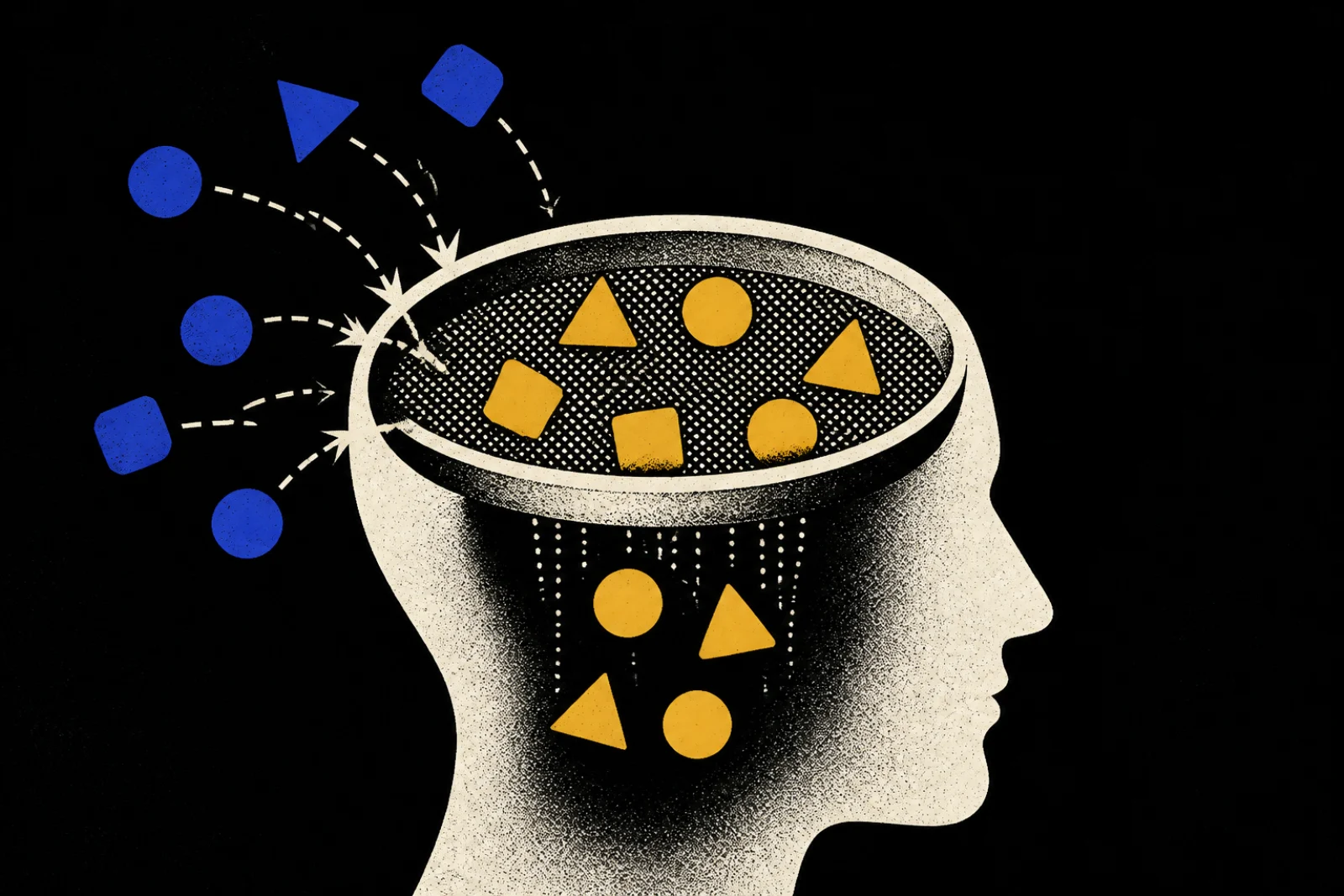
One of the easiest ways to fool ourselves is to look only for information that agrees with us.
This is known as confirmation bias: the tendency to favor information that supports what we already believe while overlooking or dismissing information that contradicts it.
The uncomfortable part is that everyone experiences it.
Imagine you believe something strongly
Suppose I believe a particular productivity method is the best way to work. I try it, and one day it works incredibly well. I think, “See! I knew it.”
But what happens if it fails five times? I might explain the failures away: I did not use it correctly, the environment was wrong, or I was not in the right mood.
Instead of questioning the belief, I protect it. That is confirmation bias.
Why does this happen?
Our brains do not approach every belief like neutral scientists. We already have assumptions, experiences, preferences, and beliefs. When new information arrives, we tend to notice what fits our existing model.
The internet makes this easier. Search for why something is true, and you can find thousands of people agreeing with you. Search for why it is false, and you can find thousands on the other side.
If you are not careful, you can build an information environment that simply confirms what you already believe.
How do you fight it?
Ask a different question. Instead of asking what evidence supports your belief, ask:
Then actually look for it. For important decisions, deliberately search for the strongest argument against your position.
If you are choosing between two options, do not only research why your preferred option is good. Research why it might be bad.
Connect it to falsifiability
This is where the ideas start connecting. Falsifiability asks what could prove a claim wrong. Confirmation bias asks whether we are only looking for things that prove us right.
Together, they encourage a healthier approach to thinking.
Takeaway
A strong thinker does not only collect reasons for being right. They actively search for reasons they might be wrong.
Being wrong is not the enemy. Being unable or unwilling to recognize that you are wrong is.