Game Theory: Your Decision Depends on Other People’s Decisions Too
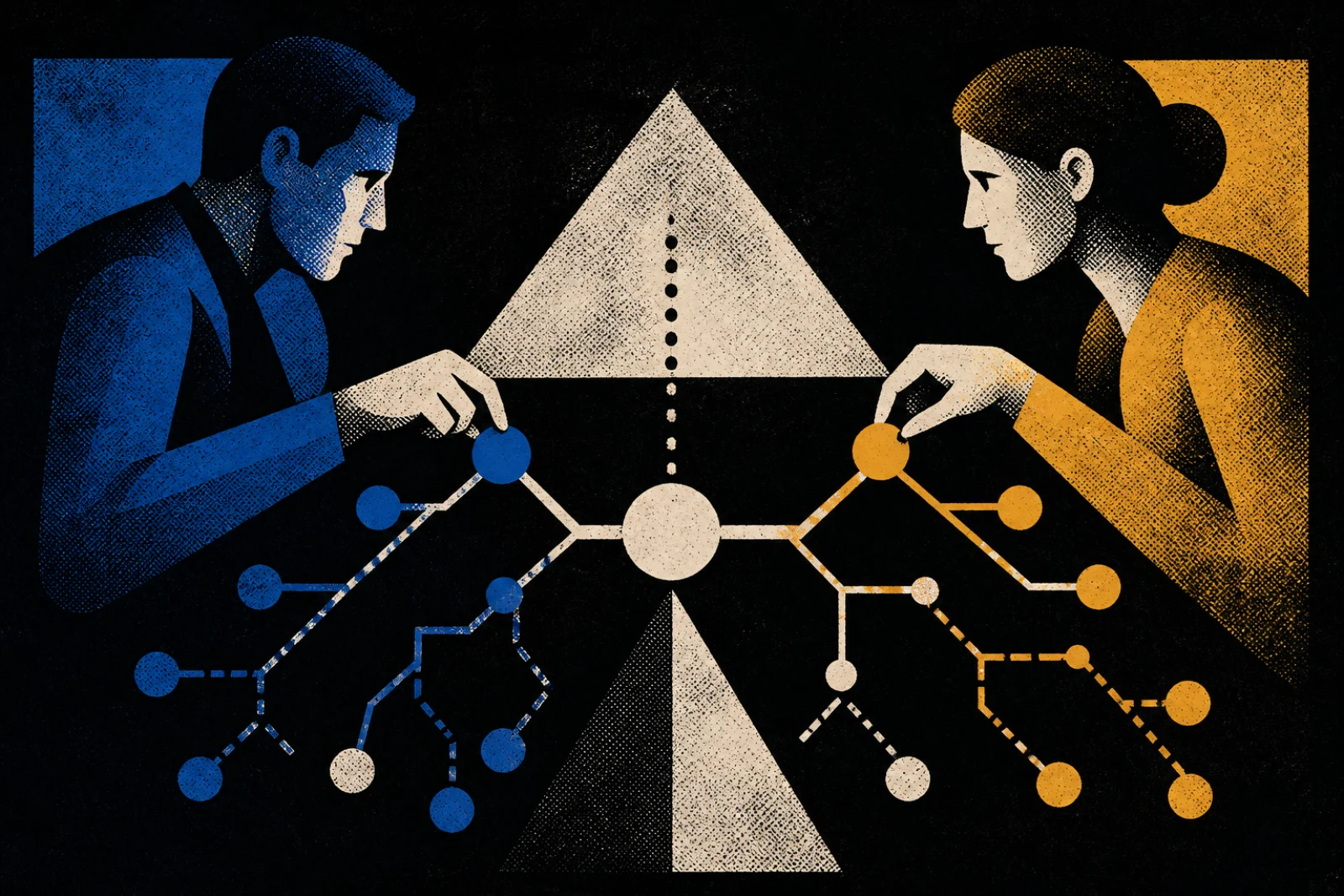
Many decisions are not made in isolation. Your outcome depends partly on what other people decide to do.
That is where game theory becomes useful.
It applies to business, negotiations, politics, sports, competition, and everyday interactions.
The basic idea
Suppose you are negotiating a salary. You want a ₹20,000 increase because you are taking on additional responsibilities.
You could simply decide, “₹20,000 is what I want.” But game theory makes you think one step further:
The CEO might accept, reject, make a smaller offer, offer another benefit, or argue that the market does not support the request.
Your strategy therefore depends partly on their response.
Think ahead
Before making the request, you can prepare:
- If they agree, accept.
- If they offer ₹10,000, negotiate further.
- If they reject it, explain the evidence supporting the request.
- If salary cannot increase, negotiate other benefits or responsibilities.
You are not predicting the future with certainty. You are preparing for different possible responses.
The bigger lesson
Game theory teaches us not to ask only, “What is the best decision for me?”
Instead, ask how other people’s decisions will affect the result of your decision.
In many real-world situations, the best strategy is not determined by your actions alone. It depends on how others respond.
Takeaway
When making a decision involving another person, do not stop at asking what you should do. Also ask what they are likely to do next.
Then think about how your strategy changes depending on their response. That is the basic mindset behind game theory.