What These Ideas Have in Common
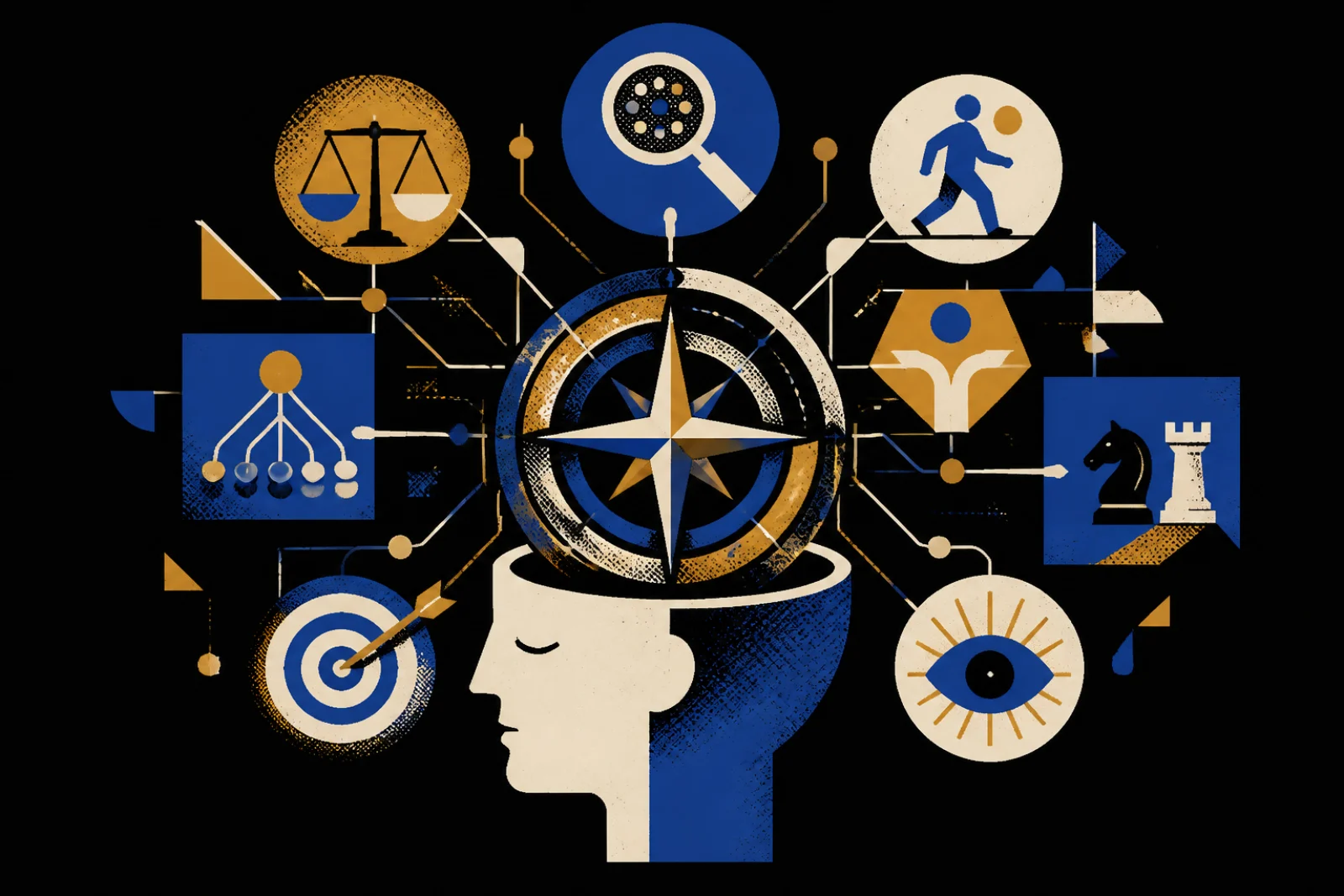
After learning these topics separately, I started noticing something interesting.
They are not really isolated concepts. They connect.
Behavior and learning
Neuroplasticity teaches us that repeated behavior can change the brain. Dopamine and motivation help explain why certain behaviors become rewarding and easier to repeat.
Choices and attention
Opportunity cost reminds us that choosing one thing means giving up another. The Pareto principle teaches us to focus on the factors that create the greatest impact.
Knowing what we do not know
The Dunning-Kruger effect reminds us that we are not always good at judging our own knowledge. Confirmation bias warns us that our brains can filter information in ways that protect existing beliefs.
Falsifiability teaches us to ask what could prove our ideas wrong.
Testing explanations
Correlation versus causation teaches us not to mistake relationships for causes. The scientific method gives us a process for testing ideas.
Research shows us how evidence accumulates into more reliable knowledge.
Decisions inside systems
Game theory reminds us that our decisions often exist inside systems where other people are also making decisions.
Taken together, these ideas form something bigger than a collection of definitions. They provide a way of thinking.
How could I be wrong?
Am I seeing only what I want to see?
What am I giving up?
What will other people do?
What actually causes the outcome?
Can I test this?
Which factors matter most?
The real value
The goal is not to memorize complicated terminology.
The goal is to gradually build a better mental toolkit for understanding the world and making better decisions inside it.